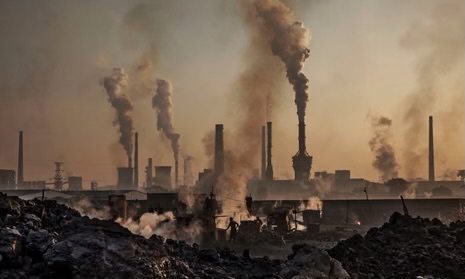
Climate change is one of the biggest threats facing humanity. The World Economic Forum ranked climate-related risks among the most serious global threats in its 2026 Global Risks Report. Climate change threatens food security, public health, ecosystems, and the long-term stability of our societies.
Governments, businesses and individuals increasingly recognise the scale of this challenge. Many are working to reduce the gases that cause climate change, known as greenhouse gases. These gases are released mainly when we burn fossil fuels such as coal, oil and gas.
The scientific community recognises the impact of fossil fuels on environment and climate change for decades. Recently, the efforts to cut emissions have intensified across the globe in a number of ways: shifting energy systems from fossil fuels to cleaner sources like wind and solar (simply referred to as renewable sources), moving towards electric vehicles instead of petrol and engines, improving energy efficiency. Companies and countries have set targets to reduce emissions by around the middle of the century to support emissions reduction.
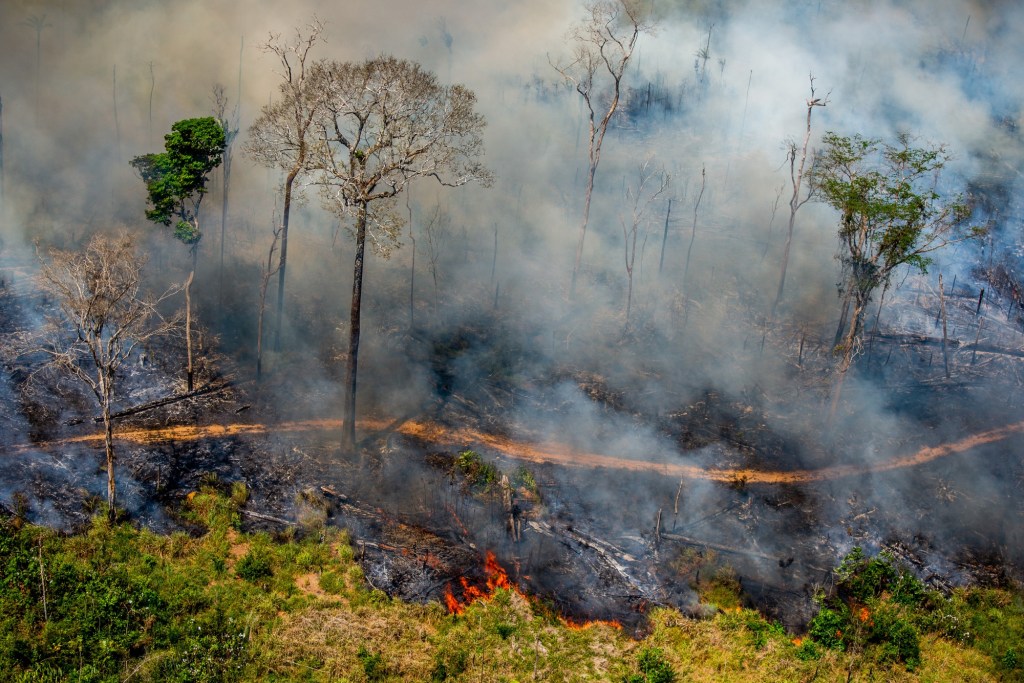
Because there are several different greenhouse gases, scientists compare their impact using a common unit called carbon dioxide equivalent (CO₂e). This allows all climate-warming gases to be measured on the same scale based on how much warming they cause compared with carbon dioxide. Therefore, kgCO₂e means kilograms of carbon dioxide equivalent emissions, while tCO₂e refers to tonnes of carbon dioxide equivalent emissions. tCO₂e is the most common unit used to report and compare emissions.
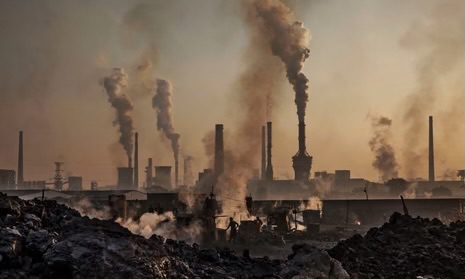
Global greenhouse gas emissions are currently around 60 billion tCO₂e per year. The largest share comes from China – often described as the world’s factory because of its huge manufacturing base – which emits roughly 15 billion tCO₂e annually. It is followed by the United States with about 5 billion tCO₂e, and India with around 3 billion tCO₂e each year. Beyond these major emitters, there is a long tail of countries with smaller or less industrialised economies, many of which emit less than 1 billion tCO₂e annually.
A megacity typically emits several million tonnes of CO₂e each year. For example, London produces around 30 million tCO₂e annually, mainly from energy used in buildings (gas and electricity), fuel burned in transportation, and emissions from waste. Tokyo, by comparison, emits roughly double that amount.

Bringing these numbers down – to limit the damage from climate change – requires effort on a scale rarely seen before. Countries are expected to rebuild their entire energy systems, replacing coal, oil and gas with renewable sources such as wind and solar. Transport must be re-engineered, shifting millions of petrol and diesel cars, trucks and buses to electric alternatives. Industries are required to rethink how they operate, redesigning factories, supply chains and products to emit far less pollution than they do today.
This burden does not stop with governments and corporations. Individuals are also expected to play their part – flying less, consuming less, and changing everyday habits. Sometimes this means large lifestyle adjustments; other times it shows up in symbolic choices, like refusing plastic straws or carrying reusable bags to the grocery store. Governments, businesses and individuals are all expected to basically alter the way they live for the survival of the planet.
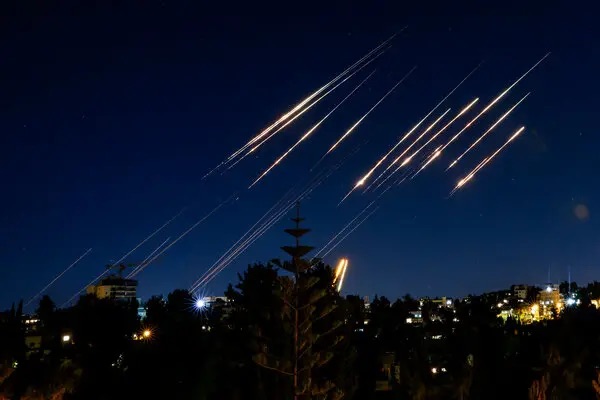
But there is a flip side to this ambition and progress – one that is rarely discussed: the climate footprint of war. The emissions created during conflicts can quickly offset the sluggish progress made by governments, businesses and individuals over the years trying to reduce their carbon footprint. Military arsenals used in war vary widely in size, intensity and destructive power, but they all carry an environmental cost. A single missile can release several tonnes of CO₂e when launched, even before accounting for the emissions generated from the energy required to manufacture, transport and maintain it.
A typical modern fighter jet burns hundreds of gallons of fuel in just one hour of flight. Jet fuel releases roughly 10 kg of CO₂ for every gallon burned. With a fuel consumption of around 600–700 gallons per hour, a single fighter aircraft can emit about 6–7 tonnes of CO₂ in just one hour of flight. Ten such aircraft flying for only one hour would therefore release around 60–70 tonnes of CO₂ into the atmosphere. To put that in perspective, that is roughly the same amount of carbon dioxide produced by driving a petrol car for more than 300,000 kilometres—the equivalent of several journeys around the Earth by car, if such a trip were possible.
Missiles, rockets, interceptors and drones all carry a similar environmental footprint. Many of them emit a mix of other toxic pollutants as well – including aluminium oxide, carbon monoxide and hydrogen chloride – depending on the propellants used. Thousands of such weapons can be fired in the span of days or weeks during a conflict, pushing the environmental cost into hundreds of thousands of tonnes of CO₂e.
The arithmetic does not account for the energy required to manufacture these weapons, refine the materials, assemble the components, transport them across continents, and maintain the military infrastructure behind them. When these upstream stages are considered, the emissions associated with warfare grow far larger, often overshadowing the emissions from the launch itself.
Then there is the financial cost. Modern warfare burns trillions of dollars. Resources on that scale could have been directed elsewhere. Instead, vast amounts of capital, material and energy are mobilised for destruction, leaving behind human and environmental tragedy.
The point is not to get lost in the numbers. Numbers mean little on their own. They only make sense when placed next to other numbers. The figures above are, in all fairness, only rough averages intended to illustrate scale of what is being compared. Actual emissions will vary widely and, in some cases, even drastically. What I intend to convey is that a few hours of military activity can generate emissions on a scale that takes countries, industries and millions of people years of effort to reduce. If that is how this world works, if that is how politics is conducted, then a harder question surfaces: what is the point of all this effort? Beyond providing livelihoods and a convenient sense of purpose, what exactly are those in the field trying to achieve? Why do companies spend thousands of dollars towards an annual ritual of virtue signalling – amplifying the minutest progress while ignoring the far louder bangs of bombs falling in the distance?
War can undo in a matter of hours what climate policy can only hope to achieve over decades.
 Eraas Haider